Gym Class Heroes Live 2026
Gym Class Heroes bring their genre-hopping live show to this current run, a night built on sweaty, sing-along momentum and the kind of crowd chemistry that only a band with a long history can produce. The Decatur, Georgia group has never stayed in one lane, weaving hip hop verses, punk-tinged guitar, pop hooks, and ska-tinged rhythms into a sound that feels loose, playful, and physical on stage. Expect a room full of longtime listeners who grew up with the band's early-2000s records, alongside newer fans drawn in by catchy choruses and frontman energy that rarely lets up. The atmosphere tends toward communal rather than distant, with call-and-response sections, crowd singing, and moments where the lights drop and the whole room returns every word at once. The typical set moves at a brisk clip, shifting between rapid-fire rap sections and big anthemic refrains so the pacing never settles into a predictable rhythm, which keeps even devoted fans guessing about what comes next. What makes this run worth attention is its reach across a wide range of regions and the variety of rooms on the route, both laid out in the schedule below. Whether you are chasing a favorite track or discovering the band for the first time, the night promises a full-throttle experience from the opening chord to the final encore. Before you plan a trip, check the dates table below for your city, showtimes, and venue details, since the schedule is the quickest way to find the night that works for you.
Listen on Spotify
Gym Class Heroes Tour Dates 2026
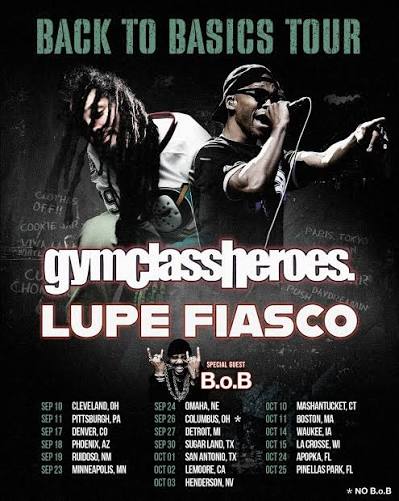
Tour Poster
Video
Photos


About Gym Class Heroes
Gym Class Heroes formed in Decatur, Georgia, a small city on the edge of Atlanta, in the late 1990s. The group grew out of a circle of local musicians who wanted to combine hip-hop phrasing with the energy of rock. Travie McCoy became the band's most recognizable voice, moving between rapid-fire spoken verses and open, melodic choruses built for group singing. Beneath him, the instrumental approach relies on crunchy, palm-muted guitar riffs, drum patterns that borrow hip-hop backbeats while keeping rock-style fills, and keyboard textures that add a pop sheen. The result sits at the crossroads of alternative hip-hop, pop-punk, and rap rock. Membership has shifted several times over the years, so the lineup on any given night is worth confirming on the tour listing.
The current live show is built around momentum more than spectacle. Sets tend to move quickly between high-tempo tracks and sing-along choruses, with verses delivered at close range so the crowd can keep pace with the lyrics. Stage production scales with the room. In larger halls, lighting and staging give the performers more space to work, while smaller clubs keep attention tight on the band and the front rows. Setlists generally draw from across the catalog, mixing the best-known singles with deeper album cuts that reward longtime listeners. Because the music depends so heavily on rhythm and vocal delivery, mix quality matters. The shows tend to sound most distinct in rooms where the rapped passages can be heard clearly above the guitars and drums.
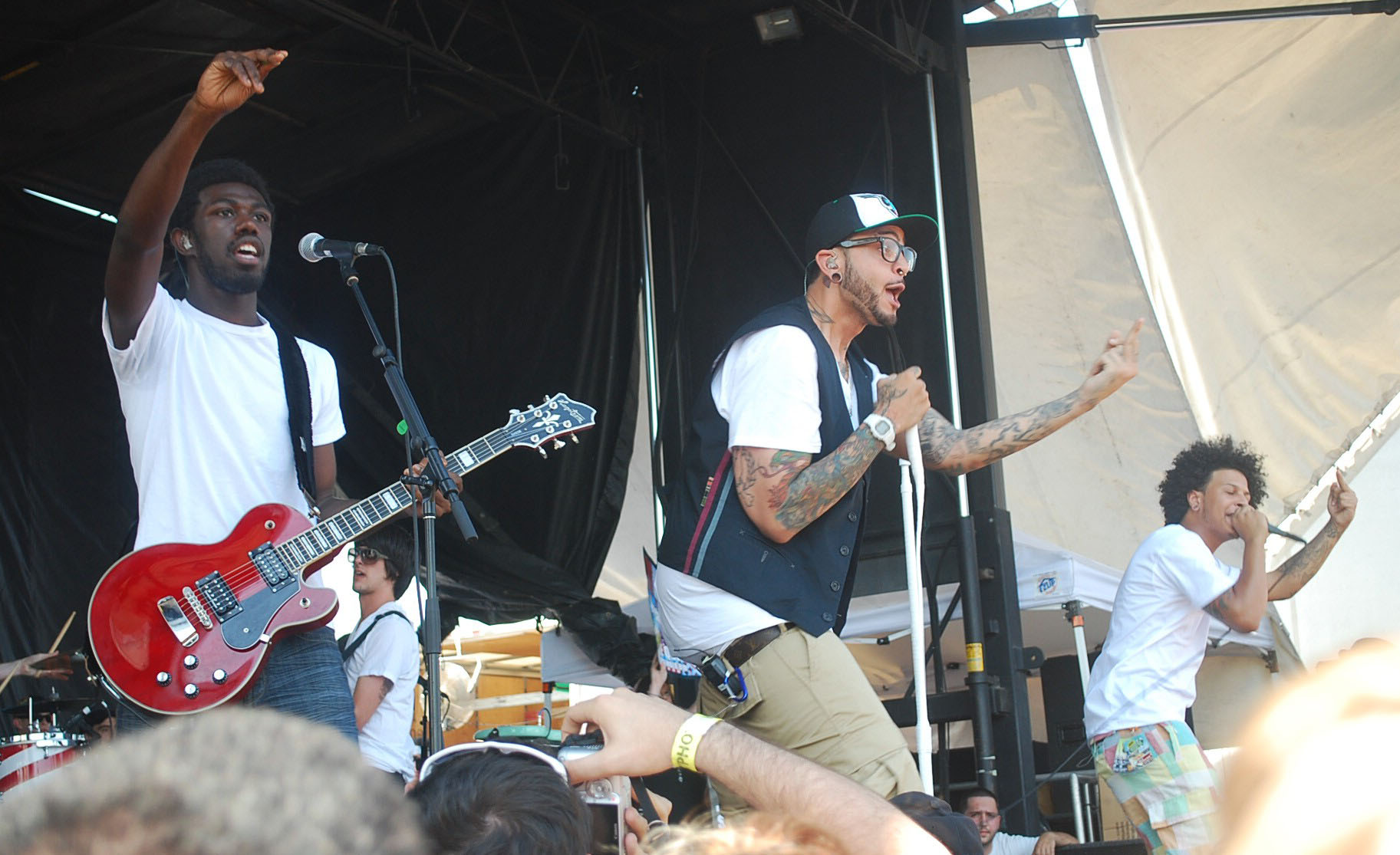
Several releases and songs stand out in the band's history. The albums As Cruel as School Children and The Papercut Chronicles represent different stages of the group's songwriting, with the latter often cited by fans for its range of hooks and production. "Stereo Hearts," featuring Adam Levine of Maroon 5, became one of the band's most widely recognized songs and remains a staple of their sets. Travie McCoy's collaboration with Bruno Mars on "Billionaire" extended the band's reach into mainstream pop circles. The group also performed on the Warped Tour, the long-running traveling festival that brought punk, pop-punk, and alternative acts to large audiences across North America, a setting that helped define their early reputation among younger rock listeners.
Gym Class Heroes sits within a broader lane of alternative music from the 2000s and 2010s that blended genres openly, drawing from rap-rock, pop-punk, and hip-hop-influenced rock. Their audience often overlaps with fans of bands that treat vocal delivery as a percussive element and favor big, singable hooks over strict genre purity. Listeners who enjoy them live usually come for the sing-alongs and rhythmic energy. The crowd frequently includes people who grew up with the singles and now attend with friends or family. Fans of pop-punk, alternative hip-hop, and accessible crossover rock tend to find the shows especially rewarding, as do longtime followers who have tracked the band's shifts in sound across its catalog.
Practical planning is straightforward. Headline sets typically run long enough to cover a good portion of the catalog, though length varies by venue, curfew, and billing, so check the listing for stated times. Openers are usually other alternative, pop-punk, or hip-hop-leaning acts with short sets designed to warm up a building crowd. Doors generally open well before the first performance, and early arrivals tend to get the best view. The room often feels loud, warm, and physically active, with a front section that moves together during the faster songs. Those who prefer more space may find a balcony or rear section easier, and earplugs are a sensible choice in smaller clubs.
If the band's catalog or live reputation interests you, browse the upcoming dates listed below. Each entry includes the venue and city, so you can compare room sizes and find a show that fits your travel plans. Check ticket availability and any age or entry notes before you go, and consider reviewing the setlist from a recent show to get a sense of what to expect. Whether you are a longtime follower or a newcomer curious about the sound, the schedule is the best place to begin planning your night out.
FAQs
Where can I buy tickets for a Gym Class Heroes concert?
Tickets are usually sold through the band's official website, the venue's box office, or authorized ticketing platforms such as Ticketmaster in many regions. To avoid counterfeit tickets, buy only from official or authorized sellers, and be cautious of unfamiliar resale listings or social media offers.
How much do Gym Class Heroes concert tickets typically cost?
Prices vary by city, venue size, seat location, and date. General admission and upper-level seats are typically the least expensive, while floor seats and premium packages cost more. Service fees and taxes are often added at checkout, so check the final total before completing your purchase.
Is there an age restriction for attending a Gym Class Heroes concert?
Age policies are set by each venue and promoter, not the band. Some shows are open to all ages, while others may require guests under a certain age to be accompanied by an adult, or may be restricted to 18 and over, particularly at venues that serve alcohol. Check the event listing or venue website for the specific policy before you buy tickets for children or teens.
What VIP options are usually available for Gym Class Heroes concerts?
VIP offerings differ by tour and market, but may include meet-and-greet packages, early entry, merchandise bundles, priority seating, or access to a VIP lounge. Availability is limited and packages are often sold separately from standard tickets, so review what each package includes and whether it is available for your chosen date.
What is the refund policy for Gym Class Heroes concert tickets?
Refunds are generally not offered for tickets to concerts that go on as scheduled, unless the event is canceled or significantly rescheduled. If a show is canceled, you will usually be refunded the ticket price, though service fees may or may not be included depending on the seller. If a show is postponed, your existing tickets typically remain valid for the new date. Check the terms on your ticket provider's website for details specific to your purchase.
Live tour and ticket guide
This is an independent fan-made guide to live events and ticket listings. This website is not affiliated with, sponsored by, or endorsed by Gym Class Heroes, any venue, or any ticket provider. We may earn a commission from ticket and hotel links at no extra cost to you.
Follow Gym Class Heroes